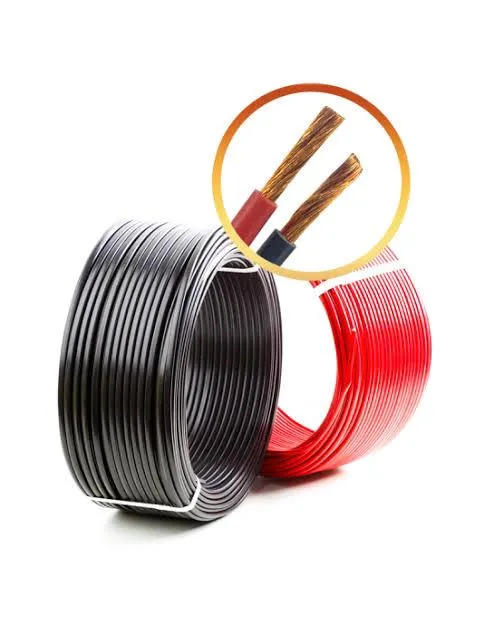
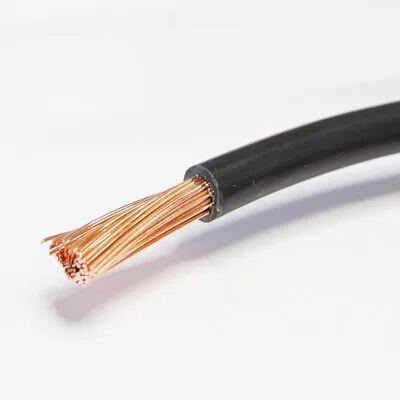
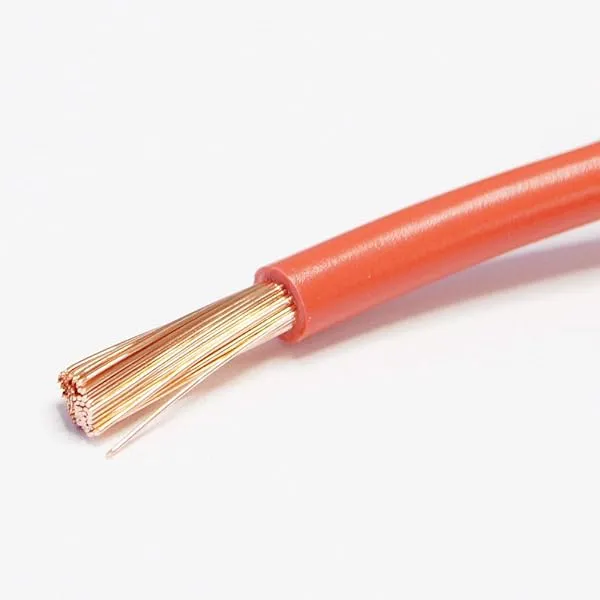
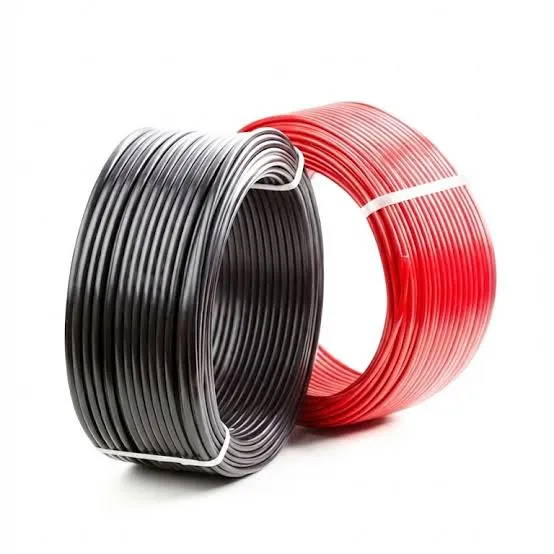
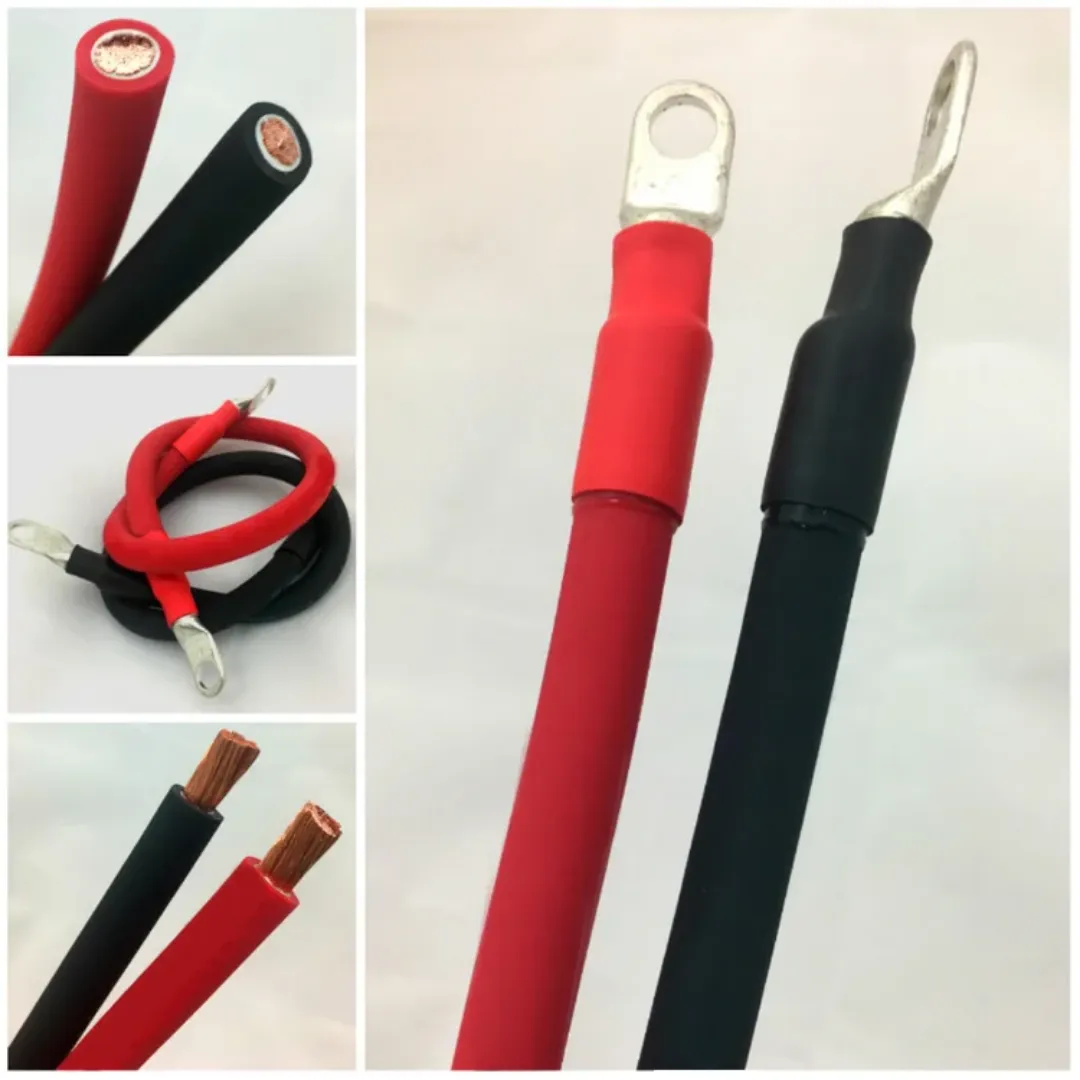
The 16mm² Pure Copper Flexible DC Battery Cable is a full-gauge, high-quality DC power cable designed for reliable battery and power connections
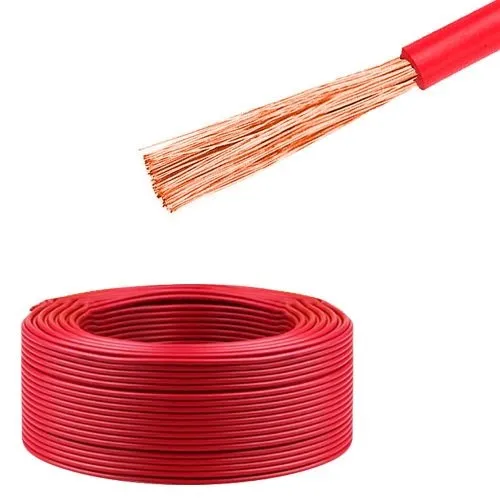
Made with a pure copper conductor, it provides excellent conductivity, low electrical resistance and flexible handling
Its flexible multi-strand construction makes it ideal for use with LiFePO4 batteries, solar systems, inverter batteries, UPS systems, battery cabinets and EV applications
The 16mm² size is particularly useful for
Tip: Scroll inside the gallery to browse all images.
Product Description
Short Description
The 16mm² Pure Copper Flexible DC Battery Cable is a full-gauge, high-quality DC power cable designed for reliable battery and power connections. Made with a pure copper conductor, it provides excellent conductivity, low electrical resistance and flexible handling.
Its flexible multi-strand construction makes it ideal for use with LiFePO4 batteries, solar systems, inverter batteries, UPS systems, battery cabinets and EV applications.
The 16mm² size is particularly useful for medium-to-high current battery connections where proper cable sizing, short cable runs and efficient power transfer are required.
Key Features
16mm² Full Gauge
Pure Copper Conductor
Highly Flexible Multi-Strand Construction
Excellent Electrical Conductivity
Low Electrical Resistance
Suitable for DC Battery Applications
Suitable for LiFePO4 Batteries
Suitable for Solar Systems
Suitable for Inverter Batteries
Suitable for UPS Systems
Suitable for Battery Cabinets
Suitable for EV Battery Applications
Easy to Bend and Route
Suitable for BMS & Battery Connections
Suitable for Positive & Negative DC Connections
Technical Specifications
Specification Details
Cable Type Flexible DC Battery Cable
Conductor Material Pure Copper
Cable Size 16mm²
Gauge Full Gauge
Construction Multi-Strand Flexible Copper
Application DC Battery & Power Systems
Polarity Positive (+) / Negative (−)
Battery Chemistry LiFePO4 & Compatible Lithium Batteries
Applications Solar, Inverter, UPS, EV & Energy Storage
Important: Actual current-carrying capacity depends on cable length, insulation rating, ambient temperature, installation method, bundling and allowable voltage drop.
Where Can 16mm² Cable Be Used?
🔋 12V LiFePO4 Batteries
16mm² pure copper cable can be suitable for many 12V-class LiFePO4 battery connections, particularly medium-current applications.
Examples:
12.8V 50Ah
12.8V 100Ah
12.8V 200Ah
For high-current 12V systems, cable sizing should be checked carefully because current increases significantly at lower voltage.
⚡ 24V LiFePO4 Batteries
16mm² cable is useful for many 24V battery systems, depending on the actual inverter/load current and cable length.
Examples:
25.6V 100Ah
25.6V 200Ah
25.6V 314Ah
🔋 48V / 51.2V LiFePO4 Batteries
16mm² cable can be particularly useful in many 48V/51.2V systems, because higher system voltage requires less current for the same power output.
Examples:
51.2V 100Ah
51.2V 200Ah
51.2V 314Ah
Example Power Calculation
For a 51.2V battery powering a 5kW inverter:
5000W ÷ 51.2V ≈ 98A
A 16mm² cable may be suitable for some installations at this current, but the final selection must consider cable length, insulation, temperature, installation method and permissible voltage drop.
For longer runs or higher-current applications, a larger conductor may be required.
Suitable LiFePO4 Battery Applications
16mm² cable can be used for appropriately designed:
12V 50Ah LiFePO4 Batteries
12V 100Ah LiFePO4 Batteries
12V 200Ah LiFePO4 Batteries
24V 100Ah LiFePO4 Batteries
24V 200Ah LiFePO4 Batteries
24V 314Ah LiFePO4 Batteries
48V / 51.2V 100Ah LiFePO4 Batteries
48V / 51.2V 200Ah LiFePO4 Batteries
48V / 51.2V 314Ah LiFePO4 Batteries
Note: Battery Ah capacity alone does not determine cable size. Maximum current and cable length are more important factors.
Why Pure Copper?
Pure copper is an excellent conductor for battery and DC power applications.
Advantages
Excellent electrical conductivity
Low electrical resistance
Reduced voltage drop
Efficient power transfer
Good flexibility
Suitable for high-current DC connections
Reliable for battery and inverter wiring
Flexible Multi-Strand Design
The multi-strand construction makes the 16mm² cable easy to work with inside:
Battery boxes
Battery cabinets
Solar installations
Inverter systems
UPS systems
EV battery packs
Energy-storage systems
It can be routed around terminals and other components without the stiffness associated with solid-core conductors.
Suitable Applications
☀️ Solar Energy Storage
For connecting compatible LiFePO4 batteries and DC components in solar energy-storage systems.
⚡ Inverter Systems
For suitable battery-to-inverter connections where the required current is within the cable's capability.
🏠 Home Backup
Suitable for appropriately designed residential backup battery systems.
🔋 UPS Systems
Useful for DC battery connections in compatible UPS systems.
🚗 EV Applications
Suitable for selected EV battery wiring applications where the current and thermal requirements are within specifications.
🏢 Commercial Energy Storage
Can be used in appropriately designed energy-storage systems.
Installation Recommendations
For reliable installation:
Use correctly sized cable lugs.
Use proper crimping tools.
Install an appropriately rated DC fuse/breaker.
Keep cable runs as short as practical.
Avoid excessive bending near terminals.
Ensure terminals are properly tightened.
Prevent cable abrasion and mechanical damage.
Select the cable according to actual continuous and peak current.
16mm² vs 25mm² Battery Cable
Feature 16mm² Cable 25mm² Cable
Conductor Pure Copper Pure Copper
Cross Section 16mm² 25mm²
Flexibility Excellent Excellent
Typical Use Medium/High Current Higher Current
Cable Weight Lower Higher
Space Requirement Lower Higher
Suitable for LiFePO4 ✅ ✅
Solar Systems ✅ ✅
Inverter Systems ✅ ✅
High-Power Applications Depends on current Better suited
Simple rule: If the system requires higher current or a longer cable run, 25mm² may be preferable. For lower/medium current applications, 16mm² can be a practical choice.
Package Includes
1 × 16mm² Pure Copper Flexible DC Battery Cable
Available for suitable positive (+) and negative (−) DC battery connections.
Important Note
Do not select the cable based only on the battery's Ah rating. The correct conductor size should be determined from the maximum continuous current, peak current, cable length, system voltage, installation method and permissible voltage drop.
Frequently Asked Questions
A 16mm² battery cable is a DC power cable with a 16mm² conductor cross-sectional area, designed for battery, inverter, solar, UPS and other DC applications.
Yes. The cable is specified with a pure copper conductor.
Yes. It is specified as a full-gauge 16mm² cable.
Yes. Its multi-strand construction provides good flexibility for battery and DC installations.
Yes. It is suitable for many LiFePO4 battery applications, provided the current and installation requirements are appropriate.
Yes. It can be used for suitable 12V-class LiFePO4 systems depending on the current and cable length.
Yes. It can be used for compatible 24V-class battery systems.
Yes. It can be suitable for many 48V/51.2V battery applications depending on current, cable length and installation conditions.
Yes. It may be suitable for a 100Ah battery, but cable sizing should be based on maximum current rather than Ah capacity alone.
Yes. Its suitability depends on the BMS current, inverter/load current, cable length and installation method.
Yes, provided the actual current requirement is within the cable's permissible operating range.
It can be used for LiFePO4 batteries, solar systems, inverter batteries, UPS systems, battery cabinets, EVs and energy-storage systems.
Yes. It can be used for battery-to-inverter connections when properly sized for the inverter's DC current.
Yes. It is suitable for appropriate battery and DC connections in solar energy-storage systems.
Yes. It can be used for compatible DC battery connections in UPS and backup systems.
Yes. It can be used in suitable EV battery applications where the current and thermal requirements are appropriate.
Pure copper provides excellent electrical conductivity and low electrical resistance, making it suitable for efficient DC power transfer.
Flexible cable is easier to route around battery terminals, BMS connections, inverter terminals and inside battery cabinets.
No. Current capacity depends on cable length, insulation rating, ambient temperature, installation method, bundling and allowable voltage drop.
No. Battery Ah capacity alone does not determine cable size. Maximum current and cable length are important factors.
It can be suitable in some higher-voltage systems, but the actual cable size must be calculated from the inverter's maximum DC current, cable length and installation conditions.
It depends on the system voltage and current. An 8kW inverter can require substantial DC current, so a larger cable or multiple cables may be necessary.
Yes. It can be used for both positive (+) and negative (−) DC battery connections.
Yes, where the BMS terminal and required current are compatible with the cable size.
Yes. Suitable cable lugs can be properly crimped onto the cable using an appropriate crimping tool.
Yes. A properly rated DC fuse or breaker should be used as part of an appropriately designed battery system.
Yes. Its flexible construction makes it convenient for wiring inside battery cabinets and enclosures.
Yes. Short cable runs generally help reduce voltage drop, although the required cable size must still match the expected current.
Excessive voltage drop can reduce system efficiency and cause lower voltage at the connected equipment.
Consider continuous current, peak current, cable length, system voltage, ambient temperature, installation method, insulation rating and allowable voltage drop.
Yes. It can be used for appropriately designed residential LiFePO4 backup systems.
Yes. It can be used where its current-carrying capability and installation requirements are appropriate.
It can be suitable for many medium-to-high-current applications, but higher-current or longer-distance installations may require a larger conductor.
Full gauge means the conductor is designed to provide the stated 16mm² cross-sectional area, rather than using an undersized conductor.
Yes. It can be used with compatible lithium-ion battery systems when the voltage, current and installation requirements are appropriate.
Yes. It can be used for suitable high-current connections in JK BMS battery systems, provided the BMS terminal and current requirements are compatible.
Yes. It can be used for appropriate battery-side DC connections to compatible hybrid inverters.
Its combination of 16mm² full-gauge construction, pure copper conductor and flexible multi-strand design makes it suitable for many battery and DC power applications.
Use appropriately sized lugs, proper crimping tools, suitable DC protection, secure terminal connections and keep the cable run as short as practical.
No. The correct cable size depends on the maximum continuous/peak current, system voltage, cable length, installation method and permissible voltage drop.